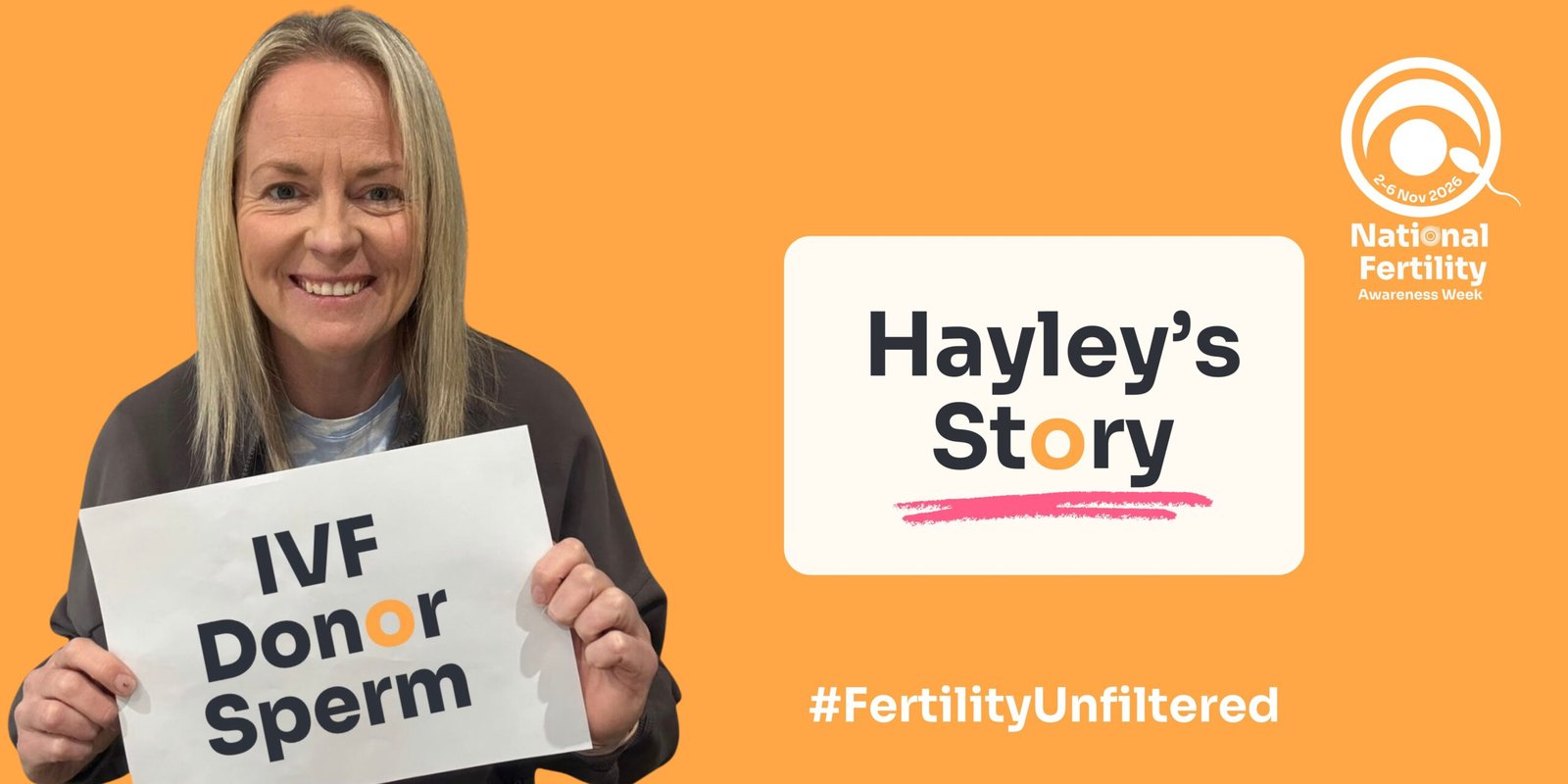
“MAMMY!!… where are my school shoooooooes??!” my nine year old daughter shouts up the stairs as I simultaneously (and frantically) try to brush my teeth before the school run. It’s a usual sound, the daily chaos of my young family trying to cram 30 minutes of activity into a tight ten before we all bundle into the car along with my son, who is usually somewhat more organised than the girls of the house.
I’ve no doubt this scene plays out in households up and down the country every day. But sometimes I reflect that this is actually my life now. I AM A MUM (or Mammy, as my kids call me; we do live in Wales after all). For me, it is a title I never thought I would own. Not because of medical infertility, nor because I was putting off starting a family for my career or until I found ‘the one’, but because I am a gay woman who, growing up in the 80s and 90s, never thought this would be an option for me.
A love story first
I met my now wife in 2010. We were both young police officers at the time, working crossover shifts. In typical lesbian U-Haul fashion, our relationship quickly took off and within a few months we were living together. My wife shared with me early on that she was desperate to be a mum, to carry a pregnancy and raise a family, and she wanted to do it with me. At first, I was shocked. Me? A parent? A role I had never really considered. But I loved her, I couldn’t imagine being with anyone else, and for the first time in my life I could envision a family made up of more than just a couple.
Finding a donor
In 2016 we started looking at our family building options. We knew we would need a ‘donor’, a man to provide us with his sperm to make our family possible. What we didn’t know was where on earth to start.
Just because fertility treatment was Plan A for us, as it is for so many in the LGBTQ+ community, doesn’t mean it came without its complexities, both emotionally and practically. People often assume that without an infertility diagnosis it must be simple. It isn’t. However much I loved my wife, we would never be able to have a biological child that came from both of us, and that is a quiet loss same sex couples are rarely given space to talk about.
We first considered a known donor, but health issues, false starts and worries about the legal implications for us as a gay couple closed that door. Then tests showed my wife had a low egg reserve, and we were advised to go straight to IVF. There was very little information around about donor choices, so in the end our clinic led us. We chose an open ID donor through a sperm bank, meaning our children can access his identifying information once they turn 18.
The family secret
To make things more challenging, we didn’t know a single person who had been down this road before us.
Except we did. My own parents had walked it in the 1980s. I just hadn’t known until the year before.
Confused? So was I, for a while. Let me explain.
I had always known I was an IVF baby, one of the very first, in fact. When I was twelve, my parents sat me down and showed me the newspaper articles about my ‘test-tube birth’, one with a photo of my dad cradling me. What they didn’t tell me, and what I only discovered in 2015 in my early 30s, was that an anonymous donor had been used.
Finding out that my dad was not my biological father was a real shock, and it took time to process. But it didn’t change who he is to me. He is the man who raised me, the dad I adore, and the one who has always just got me.
So, by the time we sat down with donor profiles, I wasn’t only a prospective parent. I was also a donor conceived adult, still reeling from my own discovery and asking questions few people in a clinic waiting room would think to ask. Would history repeat itself? Would our children grow up and have questions we couldn’t answer? My parents had been advised by so called professionals to keep my conception a secret, with no support, no storybooks and no guidance on how to talk to me about being donor conceived. For me, using an open ID donor was super important. Our children would have the information I was never given, and we would be open with them from day one.
Where the story really begins
Miraculously, our first round of IVF worked, and in 2017 my wife gave birth to our twins, a baby girl and a baby boy.
But becoming parents through donor conception is not where the story ends. In many ways, it is where it begins. My wife, online donor conceived communities and, eventually, DNA testing and finding genetic relatives have all helped me make sense of my story, and my dad has supported me every step of the way.
Creating the support we never had
That is a big part of why I have gone on to work more formally in this area. I am now Co-Director of Paths to Parenthub, a membership community offering support and connection for anyone navigating donor conception, from first considering it right through to parenting. It was founded by my colleague and good friend Becky Kearns, a mum through egg donation, who created it because the support she needed simply didn’t exist. Together, we help to demystify donor conception as a route to parenthood, making sure intended parents are well informed, not just medically, but emotionally and over a lifetime. That might mean thinking about where a donor is being used and how many families they can help create, or how to talk to your child, and others, about their conception story. When we were going through treatment, nobody encouraged us to think about any of this, and the support to help us just wasn’t there. Just as importantly, we help people find their community, something that is so often overlooked. Because if there’s one thing I’ve learnt, it’s that there is more than one fertility journey. Some begin with a diagnosis. Some, like ours, begin with a love story and a gap in the biology. Some start a generation before you even realise it. All of them deserve honest information, proper support and people around them who understand.
So yes, most mornings are still chaos, and someone will always have lost their shoes. But every time I hear ‘Mammy!’ shouted up the stairs, I remember just how many routes, conversations and generations it took to get here.
And if you’re standing at the start of your own path, whichever route it takes, please know that you don’t have to navigate it alone.
Hayley King is Co-Director of Paths to Parenthub, to learn more about her story and the support the team offer for those using donors to build their families, please head over to pathstoparenthub.com or follow them on Instagram @paths_to_parenthub
If anything in this story has stirred up feelings for you, please know you’re not alone, and there are people who understand. Alongside Fertility Action and Paths To Parenthub, Donor conception network and LGBT Mummies also offer support and information.