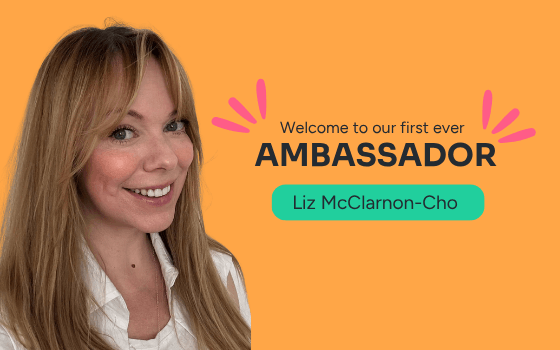
I’m incredibly proud to be joining Fertility Action Charity as its first Ambassador.
After four years, eight IVF cycles, two miscarriages and a journey that took us across two countries before we welcomed our son Alexander, I know first-hand how challenging fertility treatment can be. That’s why supporting Fertility Action, and the important changes they’re leading in the UK, was an easy decision for me.
When my husband Pete and I started trying for a family, I was 40 and he was 38. We never imagined that becoming parents would take four years of our lives, or that the road ahead would involve so much heartbreak, uncertainty and resilience.
Today, at 45, I’m incredibly grateful to be Alexander’s mum. But I haven’t forgotten what it took to get here, and I haven’t forgotten the thousands of people who are still navigating infertility, miscarriage and fertility treatment.
The truth is that fertility treatment was one of the most difficult experiences of my life.
It was horrific at times. I was constantly on edge. Every appointment, every phone call and every test result felt like it could change the course of our future. Looking back now, I can honestly say that anything that makes that journey easier for people matters.
What I learned very quickly is that when you’re struggling to have a baby, you’re incredibly vulnerable. You’re desperate for answers, desperate for hope and desperate for someone you can trust. I remember a friend of a friend saying to me, “If this cycle doesn’t work, we’re selling the house and trying again.” And they meant it. That’s how desperate people can become when they want a child. When people are making decisions like that, they need support from people and organisations that have their best interests at heart.
I wish fertility treatment was easier. I wish people had more support. And if sharing my story can help make someone else’s journey feel even slightly less lonely, then that’s a very important reason for me to speak out.
Our fertility journey began in London. We knew that we weren’t eligible for NHS funding because of our age, and knew that we were very lucky to be able to afford our treatment. Like so many couples, we entered the private system believing we were doing everything possible to give ourselves the best chance. We put our trust in the experts and hoped for the best.
Our first three IVF cycles failed.
What made that even harder to accept was discovering later that I had undiagnosed endometriosis. I had repeatedly been told there was “fluid on my ovary”, but nobody properly investigated what was causing it. It wasn’t until we changed consultants that I finally received the diagnosis. By then we had already lost valuable time, money and emotional energy.
One of the things I’ve become passionate about is ensuring people receive proper investigations as early as possible. Fertility treatment is too physically, emotionally and financially demanding for patients to lose years because something important was missed.
After surgery for the endometriosis, we continued treatment. The physical toll was immense. There were some very dark days and nights. Something people don’t talk about enough is what fertility treatment can do to your body. The hormones affected every aspect of my life, including my weight.
Before our wedding, we made a choice to take a break from treatment. I thought that if I had a little break from all the hormones, my weight might even out a bit and I’d look a little bit more like myself. That didn’t happen, my dress had to be let out by five inches.
During treatment I was still performing and appearing in public, and people often commented on my weight without having any idea what I was going through. I remember thinking, “You have no idea how hard I’m working to look after myself.” I wasn’t letting myself go. I was eating healthily, I wasn’t drinking but I was injecting a cocktail of hormones every day whilst fighting to become a mother. That saying we hear so often these days is so true: “Be kind. You never know what someone is going through.” So often we make assumptions about people based on how they look, without understanding the battles they may be facing behind closed doors.
Despite everything, we kept going.
Our sixth IVF cycle resulted in pregnancy but ended in miscarriage. Nothing prepares you for that. After everything it took to get pregnant through fertility treatment, it all pales in comparison to the pain of loss.
We eventually decided to travel to Spain for further treatment. Our first cycle there also ended in miscarriage. We were further along again.
Those losses affected both of us deeply.
Fertility treatment can sometimes feel like it centres entirely on the woman, but I watched Pete go through every disappointment, every setback and every heartbreak alongside me. Seeing his pain was devastating.
By the time we reached our eighth IVF cycle, I genuinely didn’t know how much more we could take. We had spent four years living from one cycle to the next, one piece of news to the next, one hope to the next. But somehow we found the strength to keep going. And then, finally, our eighth cycle worked.
At the age of 44, I became pregnant with Alexander. The day he arrived changed everything. He is the greatest joy of our lives and a daily reminder of why access to fertility treatment matters so much. But becoming a parent hasn’t made me forget the journey that came before him.
In many ways, it’s made me more determined to speak up. The reality is that fertility treatment remains inaccessible for far too many people. Access still depends heavily on where you live. People often face inconsistent funding criteria, long waits, inadequate investigations and a lack of emotional support.
I believe fertility treatment should not depend on your postcode, and that people deserve timely investigations and accurate diagnoses.
I believe men’s fertility should be properly investigated from the beginning rather than as an afterthought.
I believe emotional support should be available throughout treatment, not months after someone asks for help.
And I believe patients need trusted, independent organisations that will advocate for them and help them navigate one of the most difficult experiences of their lives.
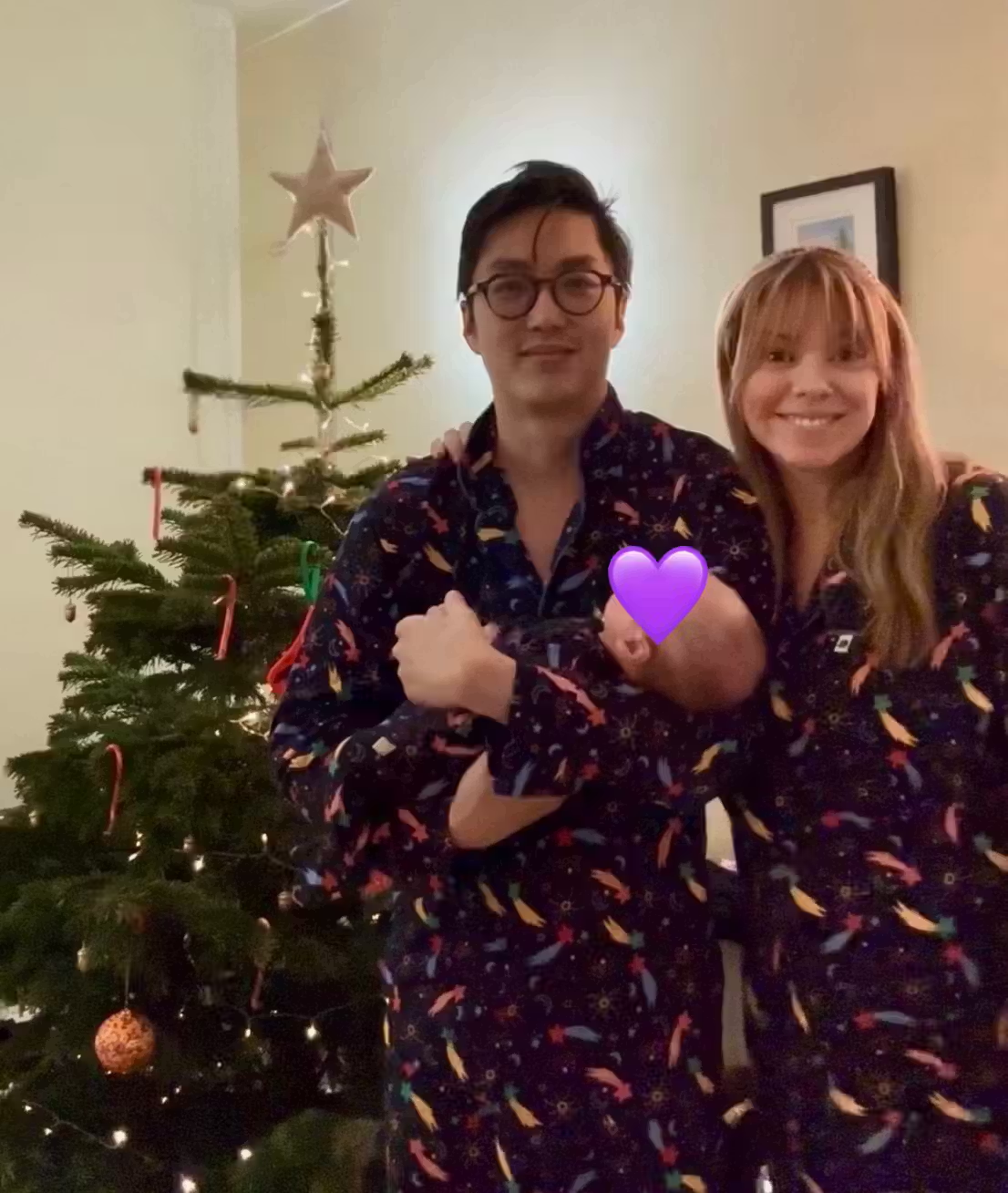
For a long time, I never imagined sharing my IVF story publicly. In truth, if our treatment hadn’t been successful, I probably wouldn’t have spoken about it for many years. Fertility struggles can feel incredibly private and incredibly painful. But now that I am in a position to do so, I want to use my experience to help others feel less alone.
As an Ambassador for this amazing charity, I hope to raise awareness, support families navigating fertility challenges and campaign for fairer access to treatment across the UK.
Most importantly, I want people to know that their experiences matter.
Whether you’re at the beginning of your journey, in the middle of treatment, grieving a loss or still waiting for answers, you deserve support, compassion and access to the care you need.
I’m so proud to be Fertility Action’s first Ambassador, because I may have got my happy ending after eight IVF cycles, but many people never get that chance. So to be a part of a charity that provides compassionate support, education and fairer access to fertility treatment, feels like I’m in the right place – and I’m looking forward to the changes we can make together.
Liz